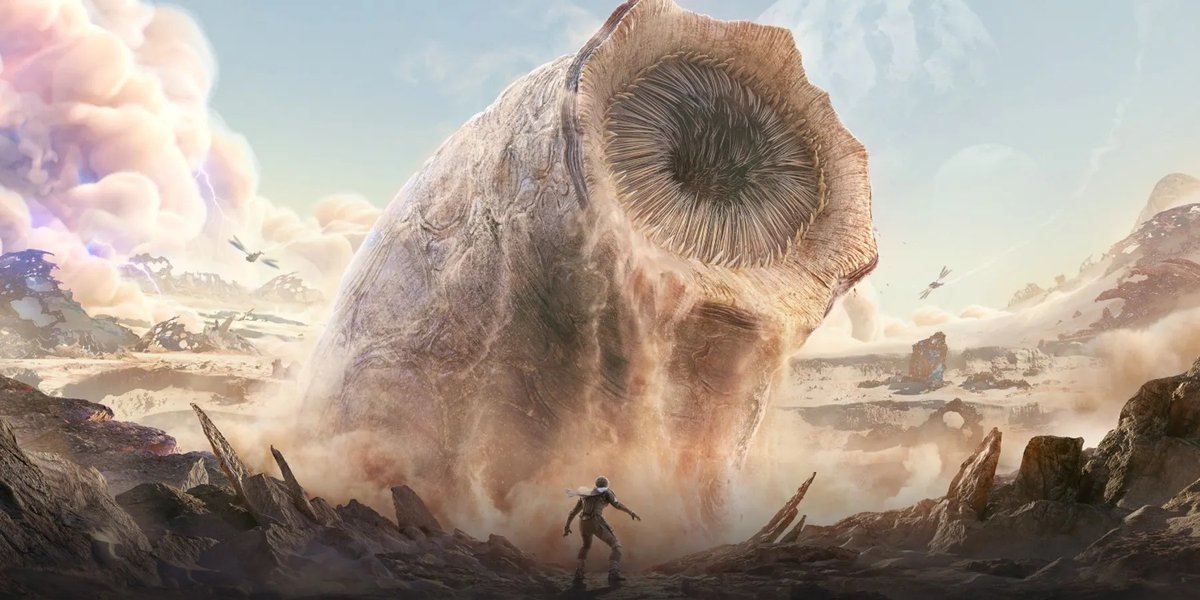
Arrakis is a world of stark beauty and brutal challenges, where every decision, every resource gathered, and every alliance forged dictates your survival. When you first set foot on this desert planet in Dune: Awakening, you're quickly introduced to the concept of Contracts – seemingly optional quests that dot the landscape. But how do Dune: Awakening contracts impact overall game progression, truly? Are they just side distractions, or an essential thread woven into the fabric of your journey to become a power on Arrakis?
As an aspiring Fremen, a loyal Atreides, or a pragmatic Harkonnen, understanding the nuanced role of Contracts is paramount. They're far more than simple fetch quests; they are the lifeblood of your character's development, your access to crucial schematics, your standing with powerful factions, and your primary avenue for accumulating the wealth and resources needed to thrive in this cutthroat environment. Neglect them, and you'll find yourself struggling to keep pace; embrace them, and you’ll unlock the true potential of your character and influence on Arrakis.
At a Glance: How Contracts Fuel Your Arrakis Ascendance
- Essential for Resource Acquisition: Contracts are a steady source of gold, raw materials, and refined components, critical for crafting and survival.
- Key to Gear & Schematics: Unlock blueprints for advanced weapons, armor, and base structures, providing a clear path to stronger equipment.
- Drives Faction Standing: Faction-specific contracts build reputation, granting access to unique vendors, items, and lore tied to the great houses.
- Accelerates Skill & Character Development: Mentor contracts specifically guide and reward progression in combat, resource gathering, diplomacy, and intellect.
- Unlocks Exploration & Lore: They naturally guide you through new zones, uncovering hidden areas and deepening your understanding of Arrakis's history and politics.
- Not Mandatory, but Highly Recommended: While not required for the main story, ignoring contracts severely limits your power, wealth, and influence.
- Strategically Prioritize: Efficient players group similar contracts, prioritize based on current needs (gear, skills, reputation), and use them to mitigate grind.
The Foundation of Survival: What Exactly Are Contracts on Arrakis?
Before we delve into their impact, let’s clarify what these contracts entail. In Dune: Awakening, Contracts are a distinct category of optional quests separate from your core Story Quests. Think of them as the daily grind or weekly challenges in other MMOs, but with a much deeper integration into the world's narrative and your character's long-term progression.
You'll acquire them from various NPCs scattered across the map or, more systematically, from any Settlement’s Contract Board – familiar hubs like the Griffin’s Reach Tradepost or The Anvil. Once accepted, your "Journey" tab (accessed via the menu or by pressing 'J') becomes your quest log, neatly separating Story Quests from your current Contracts. Each major map zone, from the hazardous Vermillius Gap to the strategic Eastern Shield Wall, comes with its own set of challenges, guiding your exploration and ensuring you always have objectives relevant to your current locale.
Contracts aren't a monolithic block; they come tagged with specific types, hinting at their content and the rewards they offer. You’ll encounter:
- Mentor Contracts: Directly tied to your character's chosen specialization (e.g., Trooper, Swordmaster, Planetologist, Bene Gesserit, Mentat).
- Faction Contracts: Offered by the great houses, primarily Atreides and Harkonnen, designed to bolster their influence or hinder their rivals.
- Delivery Chain Contracts: Simple but crucial for moving resources or intel.
- Regular Contracts: General tasks that might involve combat, exploration, or resource gathering without a specific overarching theme.
Completing them often involves returning to the origin point for a simple delivery, a testament to the game’s focus on immersive, localized interactions rather than abstract quest markers.
The Direct Current: How Contracts Power Your Progression
Now, let's break down the tangible ways contracts sculpt your journey on Arrakis. They are, in essence, the primary engine of your character's growth beyond the core narrative.
Fueling the Economy: Resources and Wealth Accumulation
The most immediate and universal impact of contracts is their role in your personal economy. Every mission you undertake, from simple Courier Runs to more complex Monster Slaying Chains like "Put Out the Eyes," rewards you with vital resources:
- Gold: The universal currency for trading with vendors, repairing gear, or purchasing essential supplies. Without a steady income from contracts, your wallet will quickly dwindle.
- Raw Materials: Whether it’s precious Copper from the "Scrap Mettle Chain" in Hagga Basin South, or rare minerals found during exploration, contracts often direct you to these valuable nodes or reward them directly. This bypasses tedious, pure grinding.
- Crafted Components: Some contracts offer specific crafted items as rewards, saving you the time and resources needed to produce them yourself.
Imagine needing a specific upgrade for your thumper or a new module for your carryall. Contracts frequently provide the financial backing or direct components, letting you keep pace with the increasing demands of Arrakis. Trying to progress without engaging in contracts means constantly scrounging for materials or feeling perpetually poor, hindering your ability to craft, build, and repair.
Arming Your Ambition: Gear, Schematics, and Blueprints
Survival on Arrakis often boils down to who has the better gear. Contracts are a critical pathway to acquiring more powerful equipment and, perhaps more importantly, the knowledge to craft it yourself.
- Schematics & Blueprints: Many contracts, particularly Faction and Mentor ones, offer rare schematics as rewards. For instance, successfully completing elements of the "Art of the Sword" or "Master of Weapons" Mentor Contracts can unlock blueprints for advanced melee or ranged weaponry. The "Payload Chain" in Eastern Shield Wall might yield schematics for vehicle parts or specialized cargo containers. These blueprints are your golden tickets to upgrading your arsenal, armor, and even your base structures, moving you beyond basic starting gear.
- Direct Gear Rewards: Occasionally, contracts will reward you with specific pieces of armor, weapons, or utility items. While not always top-tier, these can be valuable stop-gaps or provide materials for dismantling.
- Unlocking Crafting Tiers: By providing the resources and schematics, contracts indirectly push you towards higher-tier crafting, allowing you to produce more potent items and become self-sufficient. This progression is crucial for tackling tougher enemies and exploring more dangerous zones.
The Weight of Influence: Faction Standing and Exclusive Rewards
Arrakis is a political chessboard, and your allegiance (or lack thereof) matters. Faction Contracts, offered by the Atreides or Harkonnen, are your primary method for building reputation and influence with these powerful houses.
- Reputation Gains: Tasks like "Recruits Wanted" (Atreides) or "Do You Have What It Takes?" (Harkonnen) directly increase your standing. As your reputation grows, you unlock new vendors with exclusive inventories, access to unique base components, and even specialized services.
- Faction-Specific Gear & Schematics: Want to wield a unique Atreides crysknife or don a distinctive Harkonnen combat suit? You'll likely need to earn your stripes through their contracts. The "Deep Extraction" for Atreides or "The Trouble With Traitors" for Harkonnen will not only reward you but also reinforce your ties to their cause.
- Story & Lore Expansion: Faction contracts often delve deeper into the political intrigue and hidden agendas of Arrakis. "The Missing Spy" (both Atreides and Harkonnen versions) or "Investigate the Sandflies" illuminate ongoing conflicts and rivalries, enriching your understanding of the world. This is where the game's rich lore truly shines through gameplay.
Choosing a faction and committing to its contracts isn't just about rewards; it's about shaping your identity and defining your role in the struggle for Arrakis. It also directly impacts which end-game content and gear lines you'll naturally gravitate towards.
Forging Expertise: Skill Progression and Character Specialization
Dune: Awakening allows for diverse character builds, and Mentor Contracts are specifically designed to guide and reward your chosen path. These contract chains are fundamental to advancing your skills and specializing your character:
- Trooper Contracts: Focus on combat prowess and survival, with tasks like "Proving Grounds" and "Master of Weapons." Completing these enhances your combat effectiveness, making you a more formidable fighter against both human and monstrous threats.
- Swordmaster Contracts: Hone your melee combat skills through missions like "Art of the Sword" and "Forged in Dishonor," vital for those who prefer close-quarters engagement.
- Planetologist Contracts: Delve into the ecology and resource management of Arrakis. Tasks such as "The Search For Kynes" or "Clues from the Past" boost your gathering efficiency, understanding of environmental hazards, and perhaps even your ability to manipulate the terrain.
- Bene Gesserit Contracts: Focus on stealth, perception, and manipulation. Missions like "Sacred Records" and "Secrets of the Syndicate" enhance your subtle abilities, crucial for infiltration and information gathering.
- Mentat Contracts: Cultivate your intellect and strategic thinking. "Calculated Calamity" or "Bloody Results" improve your tactical awareness, intel gathering, and decision-making skills, making you a more effective leader or scout.
By diligently pursuing these Mentor Contract chains, you not only gain rewards but also accrue experience and unlock specific skill advancements relevant to your chosen specialization. This direct link makes Mentor Contracts non-negotiable for anyone serious about optimizing their character build and achieving mastery in their preferred playstyle. Without them, your character remains a jack-of-all-trades, master of none, struggling to keep up with the increasing difficulty of the planet.
Unveiling Arrakis: Exploration and Indirect Content Unlock
While contracts aren't explicitly "required" to unlock new zones, they serve as a powerful organic guide to exploration and discovery. Many contract chains naturally lead you into previously uncharted territories or forgotten corners of existing zones.
- Guided Exploration: A "Monster Slaying Chain" in Vermillius Gap might send you deep into a dangerous canyon you wouldn't otherwise visit, revealing new resource nodes or hidden landmarks. "Lost And Found" in Hagga Rift could lead you to derelict outposts.
- Revealing Points of Interest: Contracts frequently highlight important locations, be it a high-value resource deposit, a hidden enemy base, or a lore-rich ruin. This saves you from aimless wandering and ensures you experience a broader scope of the world.
- Environmental Storytelling: As you traverse the map for contract objectives, you absorb the visual and environmental storytelling of Arrakis. You witness the scale of the landscape, the remnants of past conflicts, and the signs of life struggling to survive.
Effectively, contracts act as breadcrumbs, encouraging you to push beyond the immediate safe zones and experience the full breadth and danger of Arrakis. They prevent the game from feeling like an endless grind in a small area, instead fostering a sense of continuous discovery.
Navigating the Contract Landscape: Strategies for Optimal Progression
Given their undeniable impact, how do you approach contracts effectively to maximize your progression without feeling overwhelmed?
Prioritizing Your Objectives: What to Tackle When
Not all contracts are created equal, especially depending on your current needs.
- Early Game Focus: Initially, focus on Mentor Contracts to establish your primary skill set and Regular Contracts for quick gold and basic resources. This builds a foundational character and wealth.
- Mid-Game Strategy: As you specialize, layer in Faction Contracts to build reputation with your chosen house. Simultaneously, pursue Chain Contracts within your current map zone to maximize efficiency and uncover local lore/rewards. This is also a good time for evaluating Dune Awakening contracts to see if your current choices align with your long-term goals.
- Late Game Refinement: Continue with Faction and Mentor contracts for high-tier schematics and skill mastery. Don't shy away from lucrative Regular or Delivery Chain contracts if you need a quick influx of specific resources or gold.
Efficiency on Arrakis: Grouping and Optimization
The desert demands efficiency. Avoid crisscrossing the map unnecessarily.
- Batching Similar Tasks: Look for contracts in the same general area or those requiring similar actions (e.g., "kill x enemies," "gather y resources"). Accept several before heading out to minimize travel time.
- Waypoint Management: Utilize your map markers to plan efficient routes, hitting multiple objectives in a single expedition.
- Resource Awareness: If you know a contract requires a specific resource, gather it passively while en route to other objectives, rather than making a dedicated trip later.
- Vehicle Use: Master your thumper and carryall. Fast travel points, where available, are invaluable for rapid deployment and return to settlement boards.
Collaboration or Solitude: Scaling Your Efforts
While the ground truth doesn't specify contract scaling, typically in games like Dune: Awakening, contracts can be tackled solo. However, group play can expedite certain tasks:
- Combat Contracts: "The Cleansing of Kara Valk" (Trooper) or "Strike at the Heart" (Monster Slaying) can be significantly easier and faster with a companion, especially against tougher enemies or elites.
- Resource Gathering: While not directly faster, a group can cover more ground and secure contested resource nodes more effectively.
- Delivery Chain: These are generally solo-friendly, but having a partner can provide backup during potentially dangerous runs.
Consider teaming up for particularly challenging or time-consuming contracts to boost your progression rate.
Avoiding the Sands of Frustration: Pitfalls to Sidestep
- Over-Committing: Don't take on too many contracts at once, especially if they are spread across distant zones. This leads to burnout and inefficient play. Focus on 3-5 active contracts at a time that are geographically close or thematically linked.
- Neglecting Story Quests: While contracts are vital, they shouldn't completely overshadow the main narrative. Story Quests often provide unique rewards, lore progression, and access to core gameplay features. Maintain a balance.
- Ignoring Rewards: Always check the reward list before accepting a contract. If a contract offers meager gold and no valuable schematics, and you're not desperate for the experience, it might be better to skip it for more lucrative options.
- Repetitive Burnout: If you find yourself doing the same type of contract repeatedly and losing interest, switch it up. Explore different contract types or focus on a different zone for a while.
Addressing Common Questions: Your Contract Conundrums Solved
Are Contracts Mandatory for Main Story Progression?
No, the ground truth explicitly states that contracts "are not required to further progression" of the main story. You can technically finish the narrative without touching a single contract.
Can I Ignore Contracts Completely? What Are the Downsides?
While not mandatory, ignoring contracts entirely is a self-imposed handicap. You would severely limit:
- Your Gold and Resource Income: Making crafting, repairs, and vendor purchases a constant struggle.
- Your Access to Better Gear: Without contract schematics, you'll be stuck with basic equipment, making combat and survival much harder.
- Your Faction Reputation: Locking you out of exclusive items, vendors, and crucial lore.
- Your Skill Development: Slower progression in combat, gathering, and intellectual abilities.
- Your Exploration: You'd miss out on organic guidance to new areas and hidden points of interest.
Essentially, you'd be playing Dune: Awakening on a much harder difficulty, constantly under-geared and under-resourced.
Do Contracts Expire?
The provided context does not mention contracts expiring. Generally, in persistent world games, optional quests like contracts remain available until completed or manually abandoned. You can typically take your time with them.
How Do I Find High-Value Contracts?
High-value contracts often correlate with:
- Faction Contracts: Especially those requiring higher reputation, as they tend to offer better schematics or larger gold payouts.
- Mentor Chain Endings: The concluding missions of Mentor Chains (e.g., "The Final Piece" for Planetologist, "The Rogue Bene Gesserit") often have significant rewards.
- Complex Chain Contracts: Multi-part chains like "The Absent Colonel Chain" or "The Tisiphone Chain" (Eastern Shield Wall) build to more substantial rewards.
- Higher-Level Zones: Contracts in more dangerous, later-game zones naturally offer better payouts to match the increased challenge.
Always check the reward preview before accepting to gauge its value against your current needs.
Are Certain Contract Types More Beneficial Early On?
Absolutely. In the early stages, prioritize:
- Mentor Contracts: Pick one or two mentor lines relevant to your desired playstyle (e.g., Trooper for combat, Planetologist for gathering) and focus on those. This will quickly get you critical skill points and early gear schematics.
- Regular & Delivery Contracts: These are often simpler, quicker, and provide a steady stream of gold and basic resources needed to get off the ground.
- Faction Contracts (early tiers): Start building reputation with your chosen house as soon as possible to unlock their basic vendors and mission chains.
Beyond the Grind: Contracts as Storytellers of Arrakis
It's easy to view contracts purely as a means to an end – a chore to acquire the next upgrade. However, to do so is to miss a crucial aspect of Dune: Awakening: its rich world-building. Contracts are often miniature narratives, each revealing a snippet of life, struggle, or intrigue on Arrakis.
Consider the "Finding Sehmo Chain" in Vermillius Gap, which unravels the story of a missing sister, or "The Cult Chain" in Mysa Tarill, hinting at deeper, more sinister forces at play. These aren't just arbitrary tasks; they are windows into the lives of the people, the conflicts of the great houses, and the secrets of the planet itself. The Bene Gesserit contracts, like "The Missionaria Protectiva," or Mentat contracts such as "First Blood," directly immerse you in the philosophical and strategic underpinnings of the Dune universe.
By engaging with these stories, you don't just progress your character; you deepen your understanding of Arrakis, making your journey more meaningful and your eventual impact on the planet more resonant. They transform the mechanical progression into a narrative tapestry, where every decision and every completed task feels like a genuine contribution to the evolving saga of Dune: Awakening.
Maximizing Your Arrakis Potential Through Strategic Contract Engagement
The true power of contracts in Dune: Awakening lies not in their mandatory nature, but in their indispensable utility. They are the gears that turn the machinery of your progression, providing the resources, knowledge, and influence you need to rise from a desperate survivor to a force to be reckoned with.
Approach contracts with intent. Understand your current needs – be it gold for a new weapon, schematics for a stronger base, or reputation with a specific faction. Use the "Journey" tab to effectively manage your active quests and plan efficient routes across the harsh landscape. Don't be afraid to specialize through Mentor Contracts, delve into the political intrigue with Faction Contracts, or simply explore the expansive world through zone-specific chains.
By strategically weaving contracts into your overall gameplay, you won't just survive on Arrakis; you'll thrive, forging your legend one completed task at a time. The desert planet demands cunning and resilience, and mastering its contract system is perhaps the most crucial lesson you'll learn as you carve out your destiny beneath the twin suns.